

Introduction
MEMS vs FOG North Finder plays a critical role in surveying, drilling, mining, military navigation, and inertial guidance systems.
When selecting a MEMS vs FOG North Finder, engineers are often faced with a common question:
Should I choose a MEMS north finder or a FOG north finder?
Both technologies are capable of determining orientation and true north without relying on GPS or magnetic references. However, they differ significantly in accuracy, size, cost, power consumption, and application suitability.
This article compares MEMS and FOG north-finding technologies to help engineers select the most appropriate solution.
What Is a MEMS North Finder?
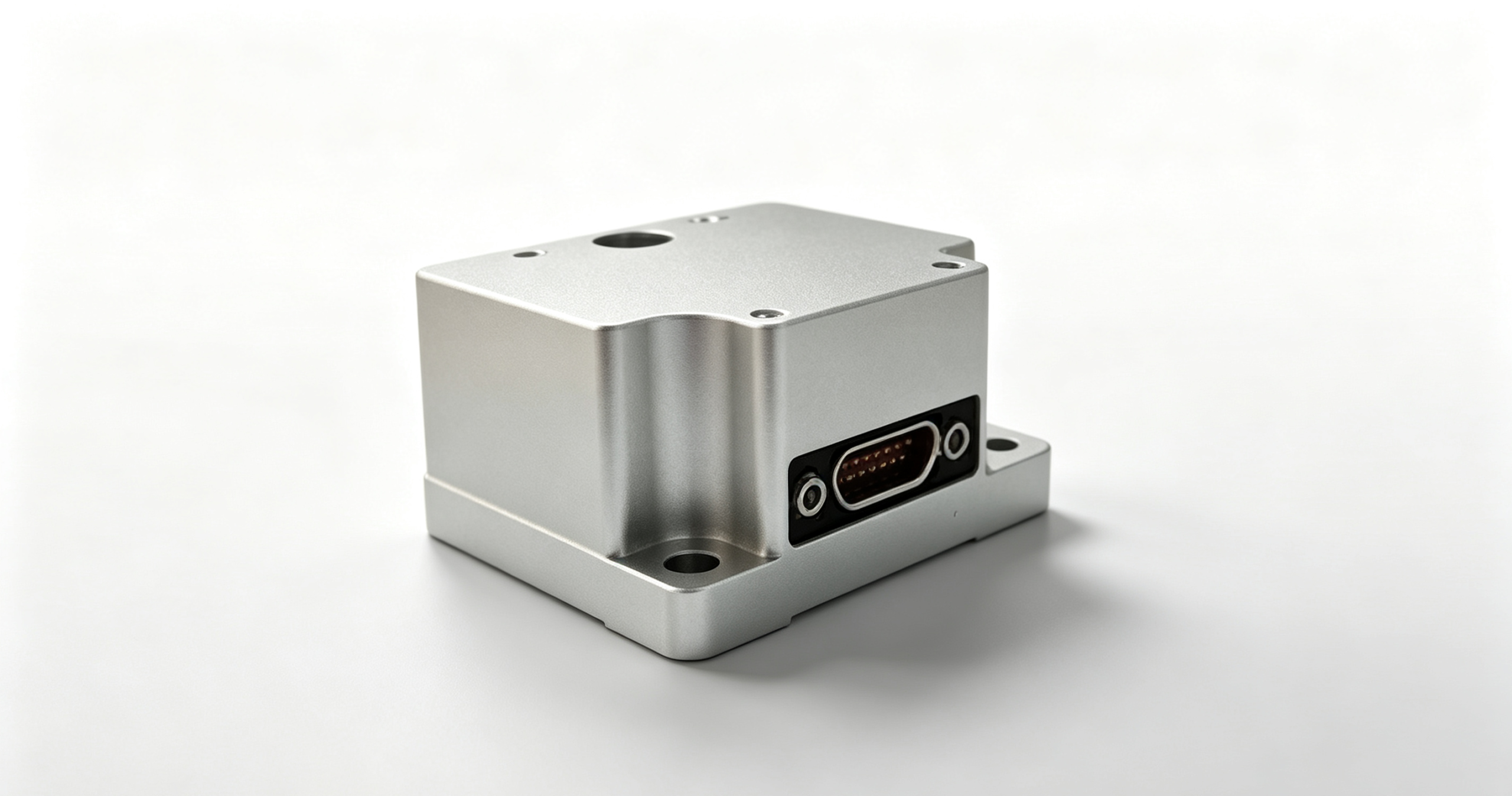
A MEMS north finder uses micro-electromechanical gyroscopes and accelerometers to calculate orientation and azimuth.
Advantages include:
- Compact size
- Low power consumption
- Lightweight design
- Lower cost
- Easy integration
MEMS systems are widely used in:
- Drilling tools
- MWD systems
- Portable survey equipment
- Mining instruments
What Is a FOG North Finder?
A FOG (Fiber Optic Gyroscope) north finder measures angular velocity using the Sagnac effect inside optical fiber coils.
Advantages include:
- Ultra-high accuracy
- Extremely low drift
- Excellent long-term stability
- Superior environmental performance
FOG systems are commonly used in:
- Defense systems
- Artillery alignment
- Aerospace navigation
- Precision surveying
MEMS vs FOG North Finder Performance Comparison
| Feature | MEMS North Finder | FOG North Finder |
|---|---|---|
| Accuracy | Medium to High | Very High |
| Bias Drift | Higher | Lower |
| Power Consumption | Low | Higher |
| Size | Compact | Larger |
| Weight | Light | Heavier |
| Cost | Lower | Higher |
| Integration | Easy | Moderate |
| Downhole Applications | Excellent | Good |
Accuracy Considerations
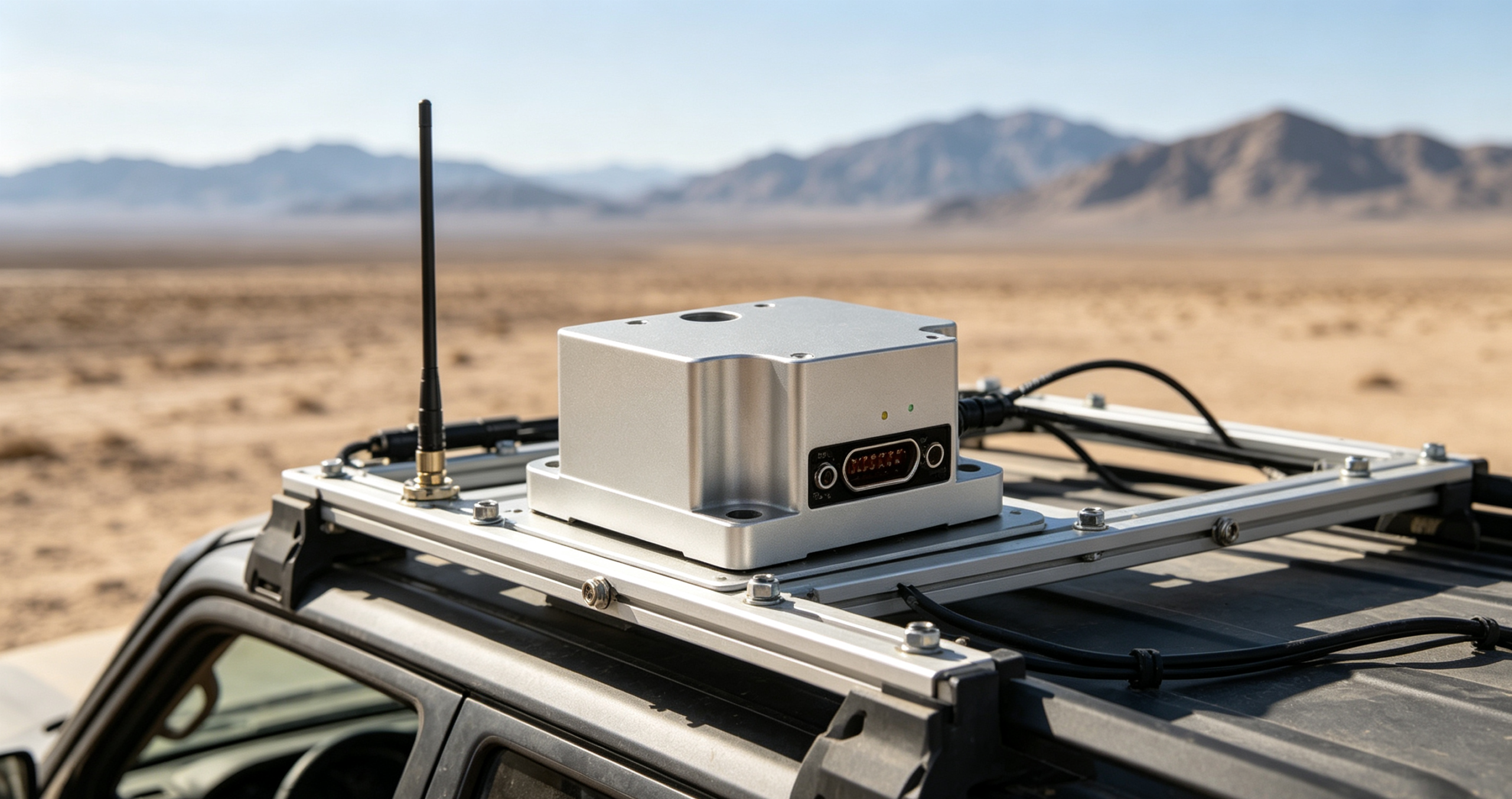
FOG technology generally provides better azimuth accuracy because optical gyroscopes exhibit significantly lower bias drift.
However, modern high-performance MEMS IMUs have improved substantially and can satisfy many industrial north-finding requirements.
For applications such as:
- Directional drilling
- Geological steering
- MWD systems
MEMS technology often offers the best balance between performance and cost.
MEMS vs FOG North Finder Which Technology Should You Choose?
Choose MEMS if:
- Space is limited
- Power consumption matters
- Cost sensitivity exists
- Portable deployment is required
Choose FOG if:
- Maximum accuracy is critical
- Long-duration stability is required
- Defense-grade performance is needed
Conclusion
Both MEMS and FOG north finders have important roles in modern navigation systems.
The best choice depends on application requirements, environmental conditions, integration constraints, and budget.
For many industrial applications, modern MEMS north finders provide an excellent balance of accuracy, size, and affordability.